- +8618937185591
- +8618937185591
- ec19@zkcorp.com
- +8618937185591


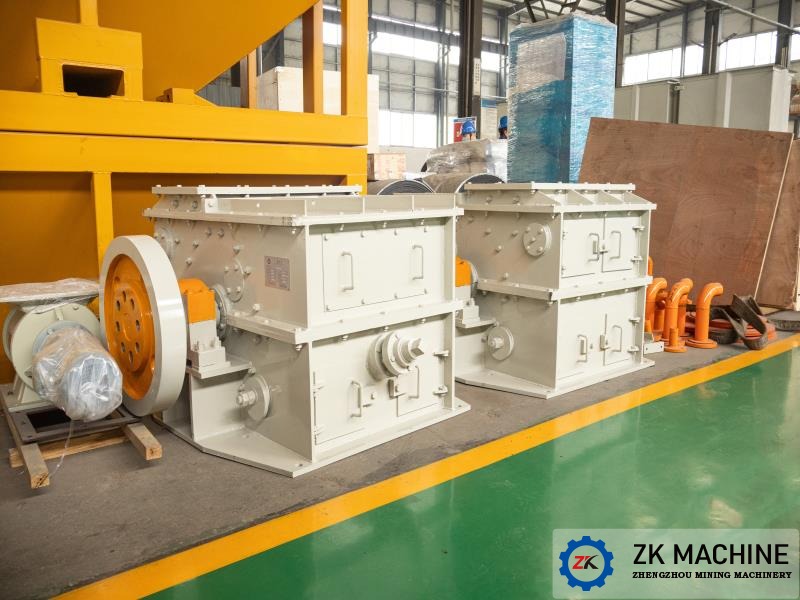
The ring hammer crusher is a medium and fine crushing device that utilizes high-speed rotating hammers (hammers with rings) to impact, shear, and grind materials to achieve the desired particle size. It is widely used in industries such as mining, building materials, metallurgy, and chemical engineering.
Core Working Principle:
Material enters the crushing chamber through the feed inlet. The high-speed rotating rotor (equipped with multiple ring hammers) delivers a strong impact to the material, throwing it against the crushing plate for secondary fragmentation. Qualified material is discharged through the gaps of the grate plate, while unqualified material remains in the chamber for further crushing.
Main Features
Advantages:
High Reduction Ratio: Achieves a high product yield in a single crushing stage, potentially simplifying the process flow.
Relatively Low Energy Consumption: Utilizes impact energy for crushing, offering high efficiency.
Compact Structure, Easy Operation and Maintenance: Especially convenient for replacing wear parts like hammers and grate plates.
Uniform Product Size, Minimal Over-Grinding: The discharge size can be controlled by adjusting the grate plate gap.
Suitable for Medium-Hard and Brittle Materials: Such as coal, limestone, gypsum, slag, coke, etc.
Limitations:
Not Suitable for High-Hardness, Highly Abrasive Materials: (e.g., granite, basalt), as this causes extremely rapid wear of hammers and grate plates, significantly increasing costs.
High Moisture or Sticky Materials Prone to Clogging: Can lead to blockages in the grate plate gaps, reducing output.
High Operational Noise and Dust: Requires corresponding auxiliary environmental protection equipment (dust removal, sound insulation).
Primary Application Fields
Thermal Power Plants: Crushing coal, limestone (for desulfurization).
Cement Plants: Crushing raw materials like limestone, marl, shale.
Metallurgical Industry: Crushing coke, slag.
Building Materials Industry: Crushing gypsum, bricks, tiles, etc.
Chemical Industry: Crushing some medium-hardness chemical raw materials.
Key Components and Maintenance
Rotor: The core power component, requiring strict dynamic balance.
Ring Hammers: Primary wear parts. Must be replaced symmetrically upon wear to maintain balance.
Crushing Plate/Impact Plate: Withstands impact, protects the machine housing.
Grate Plate/Screen Plate: Controls discharge particle size. Also one of the most prone parts to wear and clogging.
Drive System: Typically consists of an electric motor, pulley, fluid coupling (or gear reducer), providing power and overload protection.
Selection Suggestions and Considerations
Define Material Characteristics: Must clearly understand the material's hardness, moisture content, stickiness, and impurity content (e.g., metal pieces).
Determine Capacity and Discharge Requirements: Based on the production line needs.
Focus on Wear Part Material Quality: High-quality high manganese steel or alloy steel hammers and grate plates can significantly extend service life and reduce operating costs.
Consider Auxiliary Facilities: Such as magnetic separators (to prevent metal objects from entering and damaging the equipment), feeders, dust collection systems, etc.
Fast, professional and reliablewe provide you with services throughout the product ...

Email
ec19@zkcorp.com

Whatsapp
+8618937185591
Fast, professional and reliablewe provide you with services throughout the product . you with services t


