- +8618937185591
- +8618937185591
- ec19@zkcorp.com
- +8618937185591


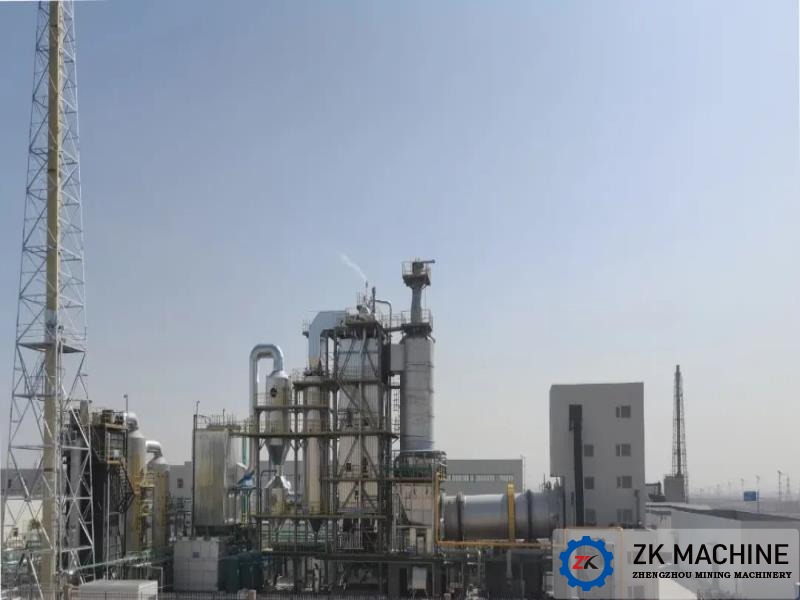
A hazardous waste rotary kiln is a core thermal processing equipment used for the high-temperature incineration of hazardous waste. It consists of a long cylindrical shell formed from rolled steel plates and lined with special refractory materials. Installed at a slight incline to the horizontal (approximately 1-3°), the kiln rotates slowly (0.5-5 rpm), causing the waste to tumble and mix continuously inside. This process allows the waste to sequentially undergo drying, pyrolysis, combustion, and burnout stages, ultimately achieving the complete decomposition of organic matter and the high-temperature melting/solidification of inorganic matter.
Main Features:
1. Extremely Wide Waste Processing Range and High Adaptability
o Capable of processing solid (lumpy, powdered), liquid, semi-solid (sludge), paste-like, and 55-gallon drummed waste.
o Can handle both high-calorific value waste (e.g., waste solvents, waste oil) and low-calorific value waste (e.g., sludge, residues). The feed calorific value can be adjusted through waste blending.
o Suitable for treating hazardous waste with highly variable composition and unstable properties.
2. Thorough Incineration and High Destruction & Removal Efficiency (DRE)
o The constant tumbling of material ensures full contact with air, leading to complete combustion.
o The combination of high temperature (typically 800-1000°C in the kiln, ≥1100°C in the secondary combustion chamber) and long residence time (>2 seconds for gases in the secondary chamber, tens of minutes to several hours for solids in the kiln) guarantees the complete destruction of harmful organic compounds (e.g., PCBs, dioxins).
3. Stable Operation and High Operational Flexibility
o Key parameters like rotation speed, inclination, temperature, and feed rate are adjustable, allowing for flexible operation based on waste characteristics and feed fluctuations.
o The internal refractory lining protects the shell, enabling it to withstand high thermal loads and chemical corrosion, resulting in long equipment life.
4. Energy Recovery Potential
o When paired with a waste heat boiler, the system can recover heat to generate steam for power generation or heating, enabling energy recovery and reducing operational costs.
Primary Applications:
The hazardous waste rotary kiln system is primarily used for treating waste listed in the National Catalog of Hazardous Wastes that is suitable for disposal via incineration. Typical applications include:
1. Industrial Hazardous Waste:
o Distillation residues, spent catalysts, and high-concentration waste liquid from the chemical and pharmaceutical industries.
o Pesticide waste, waste organic solvents, paint and dye waste.
o Oil sludge and waste mineral oil from petroleum refining.
2. Medical Waste: Infectious, injurious, and pathological waste (requires proper segregation; dedicated, smaller-scale medical waste rotary kilns are often used).
3. Specialty Waste: Discarded chemicals, expired pesticides, PCBs, and other persistent organic pollutants (POPs).
4. Others: Fly ash from municipal solid waste incineration (for secondary treatment), contaminated packaging, and adsorption/filtration materials.
The hazardous waste rotary kiln is a core technology and mainstream equipment in the field of hazardous waste disposal and harmless treatment. It is particularly adept at handling complex, mixed hazardous waste with diverse compositions and forms. Renowned for its exceptional adaptability, thorough destruction efficiency, and stable operational performance, it serves as a critical safeguard for both industrial development and environmental safety.
Fast, professional and reliablewe provide you with services throughout the product ...

Email
ec19@zkcorp.com

Whatsapp
+8618937185591
Fast, professional and reliablewe provide you with services throughout the product . you with services t


