- +8618937185591
- +8618937185591
- ec19@zkcorp.com
- +8618937185591


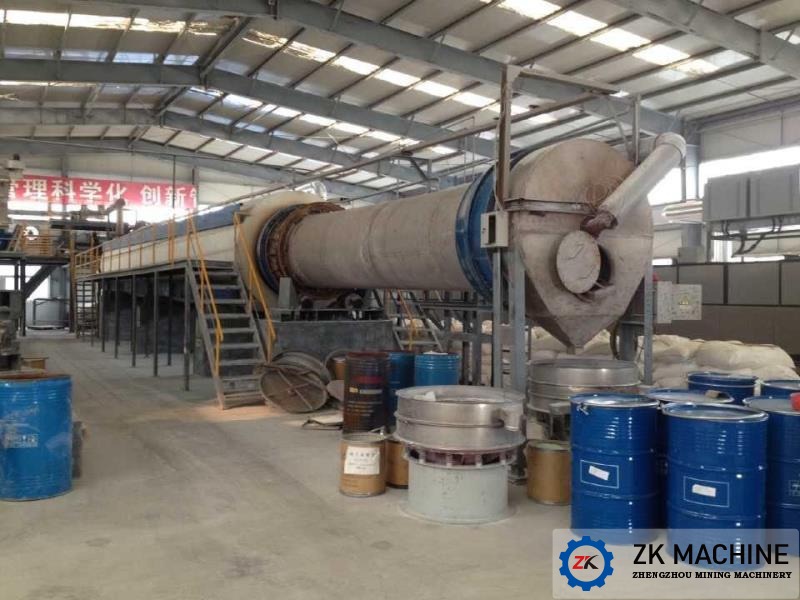
The high-temperature alumina calcination process flow and standards are the key to ensuring product quality and performance. Zhengkang Machinery can produce high-quality high-temperature alumina products that meet application requirements through reasonable process flows and strict standard requirements. Continuously improving process technology and equipment standard requirements will help promote the development and innovation of the high-temperature alumina industry.
The high-temperature alumina calcination process takes industrial aluminum hydroxide or industrial alumina as raw materials and calcines them at appropriate temperatures to produce α-type alumina products with stable crystal forms. The alumina powder is made by ball milling the calcined α-type alumina. The high-temperature calcined alumina powder products have high melting points, excellent mechanical strength, hardness, high resistivity and thermal conductivity. They can be widely used in industries such as electronic equipment, structural ceramics, refractory materials, wear-resistant materials, and polishing materials. Let's take a look at the specific production process below.
Alumina calcination refers to the process of decomposing, dehydrating, and carbonizing aluminum ores such as hydroxides at high temperatures, converting them into alumina. The high-temperature alumina calcination process can be divided into two stages: thermal decomposition and oxidation. Thermal decomposition involves decomposing hydroxides or other aluminum compounds at high temperatures into alumina and water, etc.; Oxidation involves oxidizing reducing impurities into non-reducing oxides. The purpose of alumina calcination is to increase the purity of alumina, improve its particle size, and enhance mechanical properties. During the calcination process, impurity elements are oxidized and disappear, raising the purity of alumina to over 99%.
The high-temperature alumina calcination process refers to the process of heating compounds with high aluminum content such as hydroxide alumina at high temperatures to remove the moisture and oxygen from them, thereby converting them into alumina. The specific process flow is as follows:
1 Raw material preparation: Use aluminum-containing aluminum hydroxide as the raw material. After drying, sieving, grinding and other processes, uniform alumina powder is obtained.
2 Forming: Mix the alumina powder in a certain proportion, and then use spray drying, granulation or pressing and other forming processes to produce alumina particles that meet the requirements.
3 Calcination: Heat the produced alumina particles at high temperature to remove the moisture and gases, and obtain high-purity and high-density alumina products.
Detailed explanation of the high-temperature alumina calcination process:
1. Raw material preparation The main raw material for high-temperature alumina is bauxite, with an aluminum content requirement of over 50%. The selection and quality of the raw materials directly affect the quality and performance of the product.
2. Ore crushing and grinding The bauxite is crushed and ground to increase its reactivity and fluidity, making it easier for subsequent process operations.
3. Acid leaching The ground bauxite is reacted with dilute sulfuric acid to dissolve the aluminum and form aluminum sulfate. This step requires controlling the reaction temperature, time, and acid leaching concentration to ensure complete dissolution of aluminum and efficient reaction.
4. Precipitation The solution after acid leaching is filtered and precipitated to convert the aluminum sulfate into aluminum hydroxide precipitate. During the precipitation process, parameters such as pH value, precipitation time, and temperature need to be controlled to obtain high-purity and uniformly sized aluminum hydroxide.
5. Calcination is the process of heating the aluminum hydroxide precipitate to convert it into high-temperature alumina. During the calcination process, parameters such as temperature, time, and atmosphere need to be controlled to ensure the crystal structure and particle morphology of the high-temperature alumina.
6. Grinding and classification The high-temperature alumina obtained after calcination is ground and classified to obtain a particle size distribution that meets the requirements. The grinding and classification process requires controlling the performance of the equipment and operating parameters to achieve the desired particle size and distribution.
7. Packaging and storage The high-temperature alumina product is packaged and stored to ensure the quality and shelf life of the product.
Fast, professional and reliablewe provide you with services throughout the product ...

Email
ec19@zkcorp.com

Whatsapp
+8618937185591
Fast, professional and reliablewe provide you with services throughout the product . you with services t


