- +8618937185591
- +8618937185591
- ec19@zkcorp.com
- +8618937185591


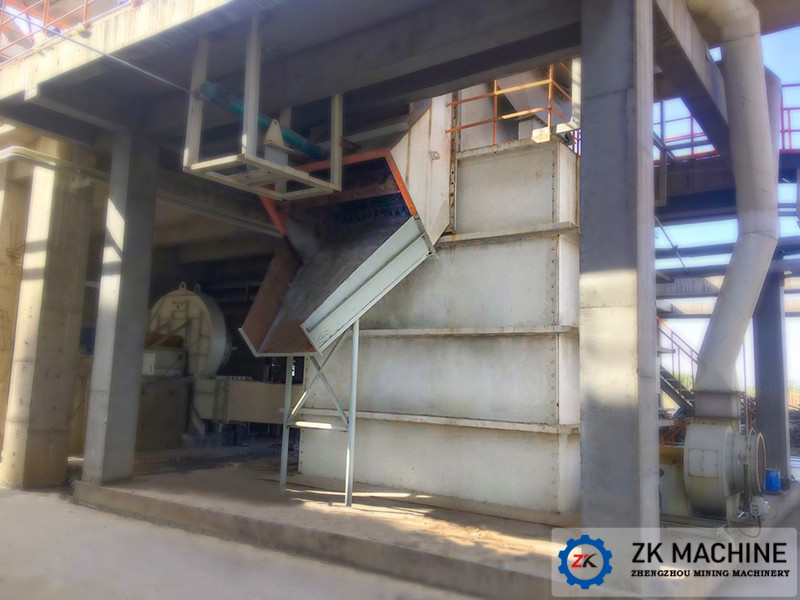
In core industrial production processes, the cooling efficiency of materials directly affects product quality and energy consumption costs. With distinctive technical strengths, vertical coolers have become an energy-saving workhorse in metallurgy, building materials, chemical and other industries, delivering efficient and reliable solutions for high-temperature material treatment.
I. Core Advantage: High Efficiency & Energy Saving
The vertical cooler adopts a vertical cylinder structure to achieve rapid cooling through countercurrent heat exchange between cold air and high-temperature materials. Equipped with a compartmentalized discharging design and forced air supply system, it rapidly reduces material temperature from 300–400°C down to 100–200°C. Heated air is recovered as secondary energy, bringing a remarkable improvement in overall thermal efficiency.
Featuring few wear parts and zero waste gas emission, the equipment complies with the philosophy of green production and helps enterprises cut operating costs by over 30%.
II. Applicable Industries
1. **Metallurgy Industry**
Matched with rotary kilns to process high-temperature materials such as active lime and blast furnace slag. Hot air after cooling is fed back into the kiln for calcination, forming an energy circulation system. For hydrogen metallurgy applications, vertical coolers are compatible with new materials including high-purity cast pig iron, supporting low-carbon transformation.
2. **Building Materials Industry**
Suitable for cooling cement clinker and ceramic raw materials. Continuous operation is realized via vibratory dischargers to prevent dust pollution and improve product stability.
III. Applicable Materials
- Conventional high-temperature materials: metallurgical sinter, calcined building materials, operating temperature range 300–800°C;
- Special chemical materials: high-purity chemical reagents, biopharmaceutical intermediates requiring contamination prevention and stable temperature control;
- Composite materials: metal alloys, advanced ceramics, where crystal growth must be controlled during cooling.
IV. Selection Guidelines
- Material properties: Select air cap materials according to material hardness and corrosiveness;
- Production capacity requirements: Customize cylinder dimensions and air volume configuration;
- Environmental standards: Prioritize enclosed designs with zero waste gas emissions.
Fast, professional and reliablewe provide you with services throughout the product ...

Email
ec19@zkcorp.com

Whatsapp
+8618937185591
Fast, professional and reliablewe provide you with services throughout the product . you with services t


